

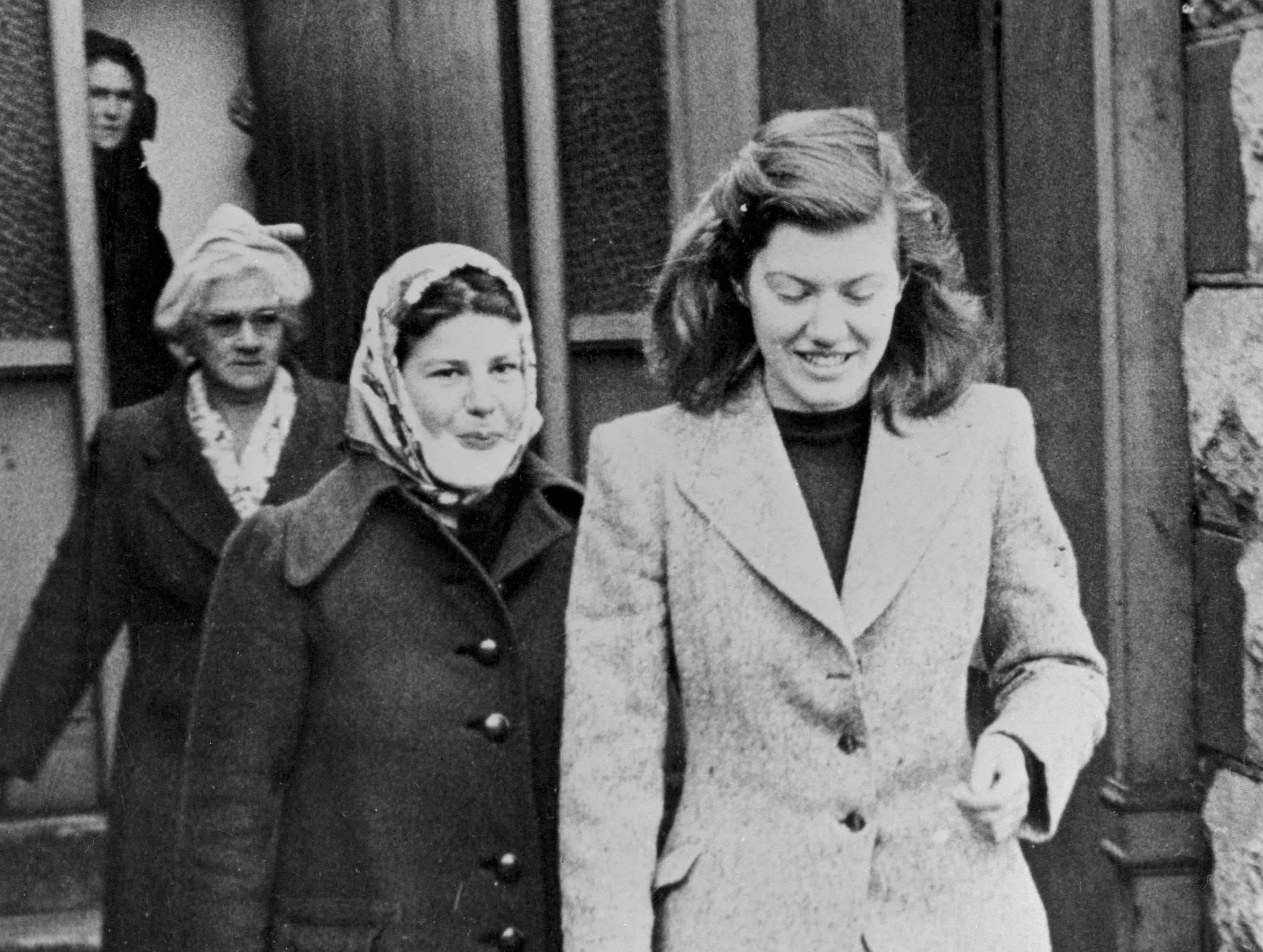
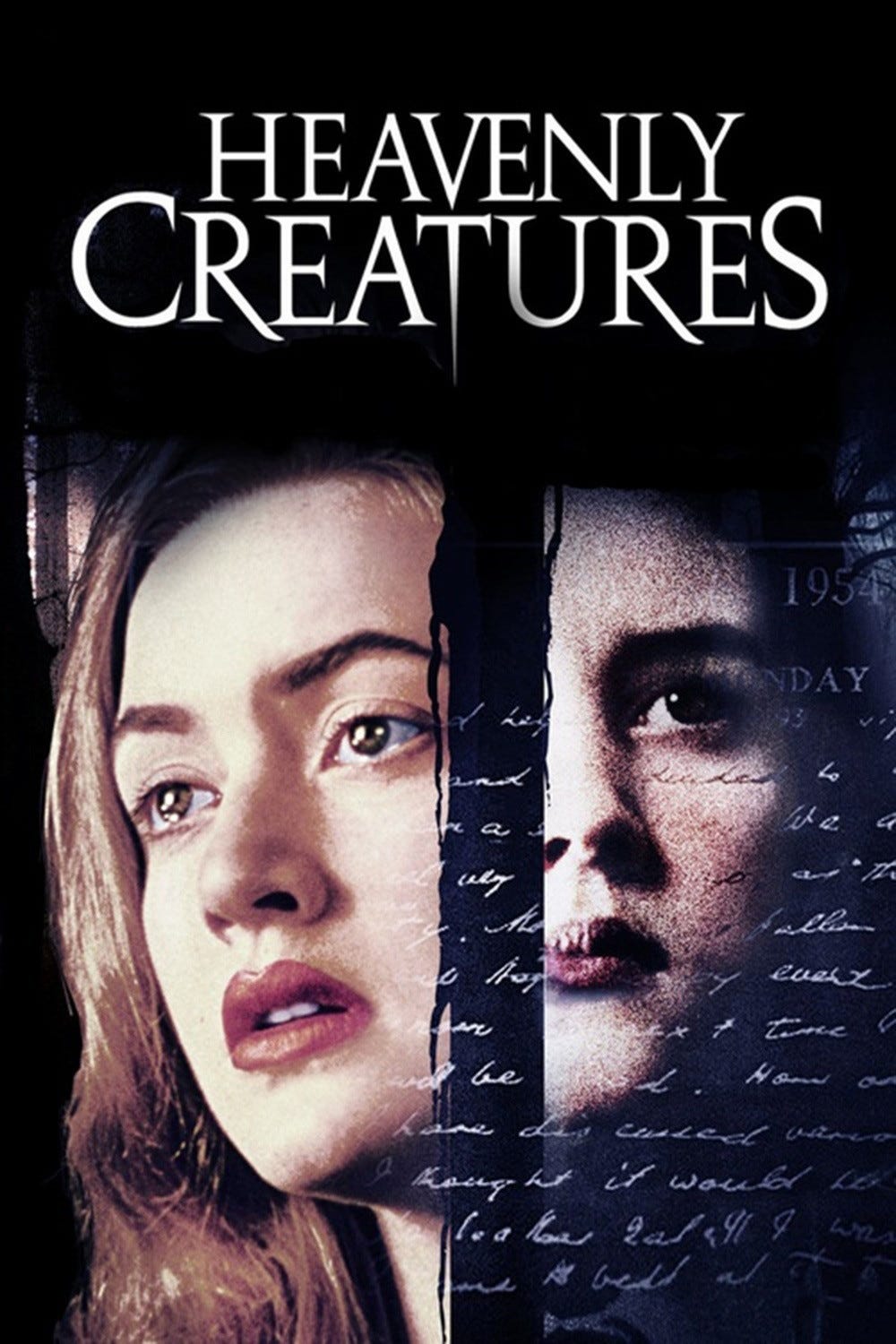
There are few things more disturbing than children who kill. We struggle to comprehend how the innocence we associate with childhood can coexist with the capacity for murder. One of the most famous examples took place in Christchurch, New Zealand, in 1954, when Pauline Parker and Juliet Hulme, sixteen and fifteen years old respectively, bludgeoned Pauline’s mother to death with a half-brick in a stocking. The case was dramatised in Peter Jackson’s 1994 film Heavenly Creatures.
This week I wrote a long piece for the Daily Mail about this case following Pauline Parker’s recent death at the age of 88 in Orkney, Scotland. I won’t repeat that account here (you can read it at this link), but there are certain questions about the crime that, for me, remain unanswered. One of the most striking aspects is that in all the decades of public fascination with this case – including numerous books, plays and films – the victim herself, Honorah Parker, is so frequently overlooked. In many instances, excuses are made for the killers, and the narrative that surrounds them often borders on romanticisation.
The murder was Pauline’s idea. The girls had formed an excessively close relationship, one that doctors at the time described as unhealthy. Juliet was about to leave the country with her father, whose marriage had broken down after his wife had an affair, and Pauline had asked to go with them. For obvious reasons, both sets of parents refused, yet Pauline became convinced that her own mother was the chief obstacle. So on 22 June 1954, the girls took Honorah for a walk on an isolated trail in Christchurch’s Victoria Park where they beat her to death with a half-brick that Juliet had acquired from the garage at her home.
The murder made international headlines. Too young to be given the death penalty, the girls were incarcerated in separate prisons for the duration of their five-year sentences. Upon release, they changed their names and moved to the UK. Juliet became Anne Perry, the highly successful crime novelist, and eventually settled in Portmahomack in the Scottish Highlands. Pauline became Hilary Nathan and lived in the village of Hoo in Kent until she was found by the tabloid press and fled for Orkney in 1997.
The release of Heavenly Creatures in 1994 brought the grim story to a new generation. It was as a direct result of the film that the women’s new identities were uncovered. Jackson shot the film in Christchurch and, wherever possible, used the real locations where the events had taken place. Even the classroom at Christchurch Girls’ High School where Pauline and Juliet first met was used for the scene, with stars Melanie Lynskey and Kate Winslet positioned in the same places the girls had occupied forty years earlier.
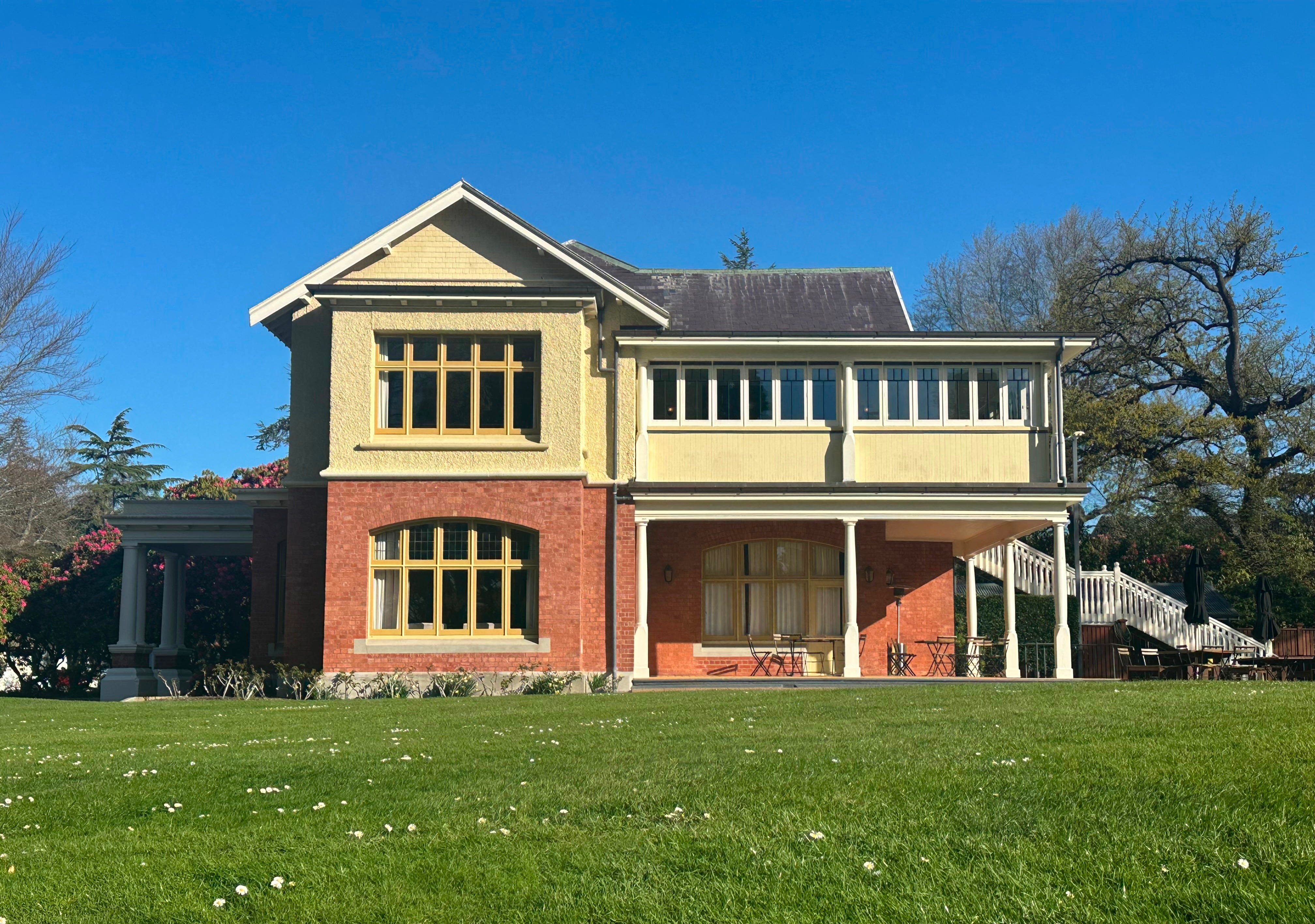
Many of the locations in the movie no longer exist following the catastrophic earthquakes in Christchurch in 2010 and 2011. The old school buildings at Cranmer Square, by then known as the Cranmer Centre, were so badly damaged that they had to be demolished. One important survivor is Ilam Homestead, where Juliet lived and where the girls spent so much of their time together writing stories and poetry and, most likely, planned the murder. The house and gardens were used extensively in the film. This is an image I took of the house while visiting Christchurch last month.
Jackson did manage to identify the precise location of the crime, but decided that to recreate it there for the film’s climax would be too macabre, opting instead for a spot a few hundred feet away. The killing itself was gruesome and prolonged. The girls were convinced that Honorah would die from one strike to the head, as they had seen so often in the movies, but it took dozens of blows, administered by both of them, over a prolonged period. Honorah had clearly tried to defend herself; her fingers as well as her skull were badly damaged. Audrey Griffiths, one of the police officers who escorted the murderers to prison on the night of their conviction, overheard Pauline joking to Juliet that ‘The old girl took a bit more killing than we thought’.
I emphasise this callous attitude because I think it is too often overlooked. Heavenly Creatures, brilliant as it is, has established an accepted narrative about the crime which is almost certainly untrue. The lasting impression from the film is that two girls had fallen in love and together had conjured an imaginary realm (which Pauline in her diaries calls the ‘Fourth World’). This was precisely the position of the defence team, which had tried to convince the jury to accept a plea of insanity. They argued that the girls were suffering from folie à deux, a shared delusional state, but this was rejected.
I am a huge admirer of Heavenly Creatures – it is one of the best films of the 1990s – but it does risk turning the argument that the defence presented into a settled explanation of why the crime occurred. While it is possible that the girls had become lost in a fantasy world of their own making, that shouldn’t blind us to a far more straightforward possibility: that they knew what they were doing was wrong but went ahead anyway.
Much of the evidence for the girls’ supposedly delusional state comes from Pauline’s diaries, which were discovered by police after the murder and became crucial evidence at the trial because they confirmed that the crime was premeditated. The entries certainly reveal an extraordinarily intense relationship and a vivid imagination, but this is hardly uncommon among teenage girls.
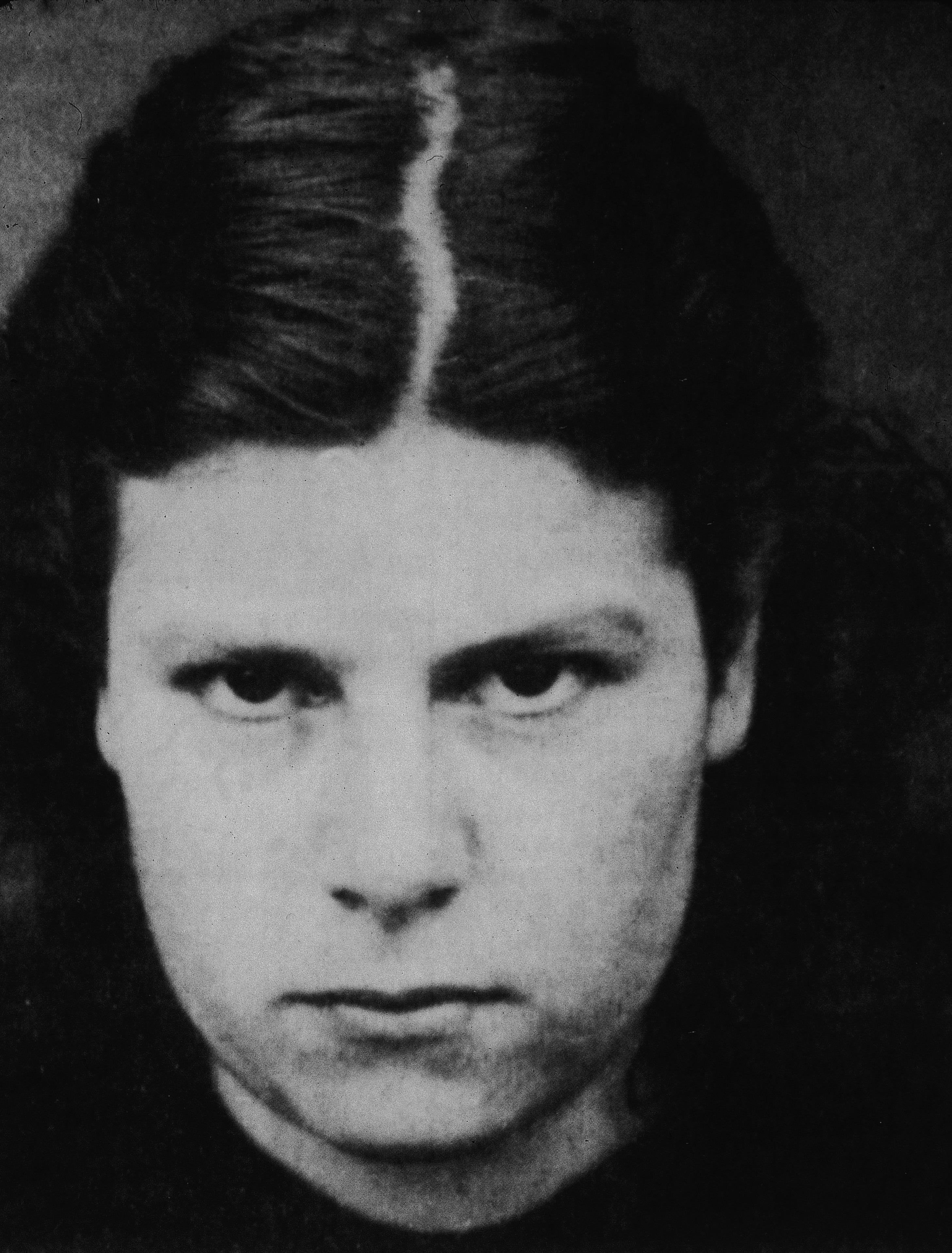
In the hours after Honorah’s death, there was little to suggest that the girls were bewildered by a shared fantasy they had mistaken for reality. On the contrary, their conduct was often astonishingly composed and pitiless. In his book So Brilliantly Clever: Parker, Hulme and the Murder That Shocked the World, Peter Graham recounts how, on the night of their arrest, constables overheard the girls in their bunk beds gossiping cheerfully ‘as though they hadn’t the slightest concern about anything’. At one point, Juliet got out of bed and called out to the officers: ‘Can I have a cup of tea?’
Their conduct in the weeks that followed was scarcely any better. At their committal hearing in July 1954, the Daily Mail reported that the girls ‘giggled, whispered, yawned and scribbled notes’ throughout their time in court. Graham notes that at the trial itself, ‘Juliet and Pauline gave every appearance of enjoying themselves, standing at an upstairs window smiling, waving and posing for the ruck of press photographers below, until court staff taped sheets of newsprint over the windows’.
The testimony of Dr Reginald Medlicott, one of New Zealand’s leading psychiatrists of his day, is similarly revealing. He appeared for the defence to argue that the girls were insane, and observed that ‘neither showed the slightest remorse’ and that in the aftermath ‘their mood was jubilant’. They exulted in ‘what they saw as their brilliant success’. Neither ever admitted to him that the murder was morally wrong.
— To continue reading this article, please consider becoming a paid subscriber —
