

The woke movement has been a disaster for the arts. Any creative work that it touches suffers as a result. Good ideas are frequently sabotaged by the insertion of incongruous sermons in the name of ‘diversity, equity and inclusion’, and audiences are left with the unshakable feeling that they are watching establishment-approved propaganda.
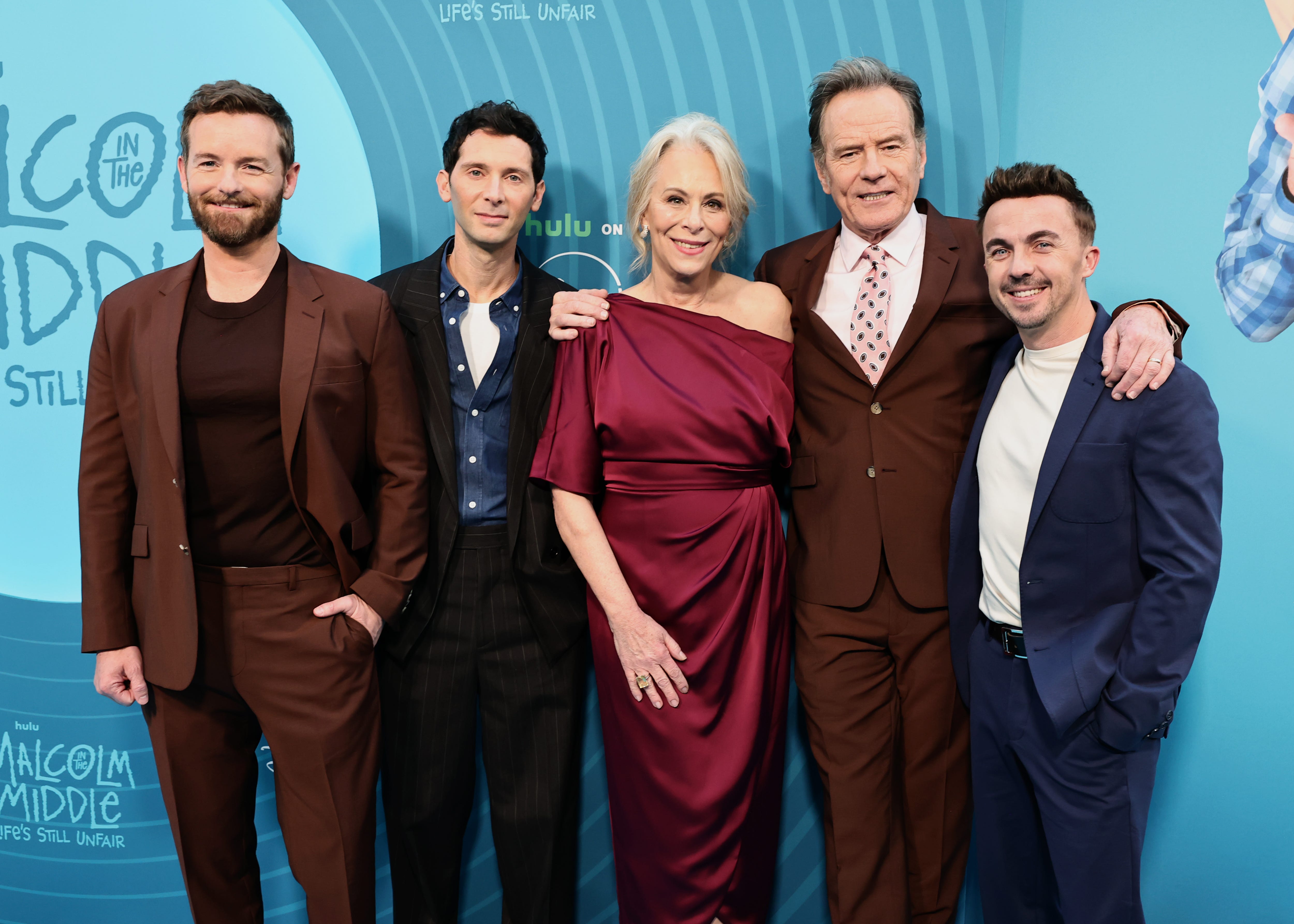
Take the reboot of Malcolm in the Middle, which has shoehorned in a new ‘non-binary’ character in the form of Malcolm’s sister Kelly. The show’s creators, married couple Linwood Boomer and Tracy Katsky, have said this character reflects their own experiences. ‘Three out of four of our kids are queer,’ said Katsky in a recent interview, ‘and without making it a thing and without making an issue, I think it’s really nice to have a character that, that’s just a facet of their personality as opposed to the entire story.’
We don’t know if Katsky has three gay children. It is a huge statistical improbability, and so we are not being unfair in assuming that some other category (from the ‘TQIA+’ appendage) has made an appearance here. Given that most of the ‘queer community’ now comprises of attention-seeking heterosexuals, there is simply no way of knowing. But it would be dishonest not to notice how self-defined ‘queers’ tend to be overrepresented among the progeny of the celebrity class.
It goes without saying that Katsky, like all creatives, is free to make her own artistic choices. It’s just a pity that virtually all studio executives are in lockstep and, ironically, there is so little diversity as a result. I can make no judgement whatsoever on the quality of Malcolm in the Middle: Life’s Still Unfair as I haven’t seen it. It might be brilliant. Yet a recent viral clip from the show (which you can watch here) would suggest that ideology is once again taking priority over storytelling.
The clip shows Kelly giving a speech in praise of Hal, but somehow making it all about herself. ‘I was like five when I started feeling wrong,’ she says in a monologue to camera, while mawkish music reminds the audience that they are meant to find it moving. The struggles of being ‘non-binary’ – i.e., aligning oneself completely with establishment trends – appears to be the topic. ‘Thought I was great at hiding it, because you guys never said anything.’
Hiding what exactly? That she didn’t feel entirely comfortable with old-fashioned tropes of masculine and feminine behaviour? This is a feeling that virtually everyone shares, but most people don’t require the formation of an entire ‘identity’ around it. The invention of a third category, supposedly to escape from the ‘oppressive’ sex binary, is simply to surrender to – and thereby reinforce – the very sex stereotypes that one is claiming to reject. Like so much of the new woke orthodoxy, it’s a reactionary notion dressed up as progressivism.
— To continue reading this article, please consider becoming a paid subscriber —
