
The tragedy of Renee Good
How a needless death has been weaponised in the culture war.

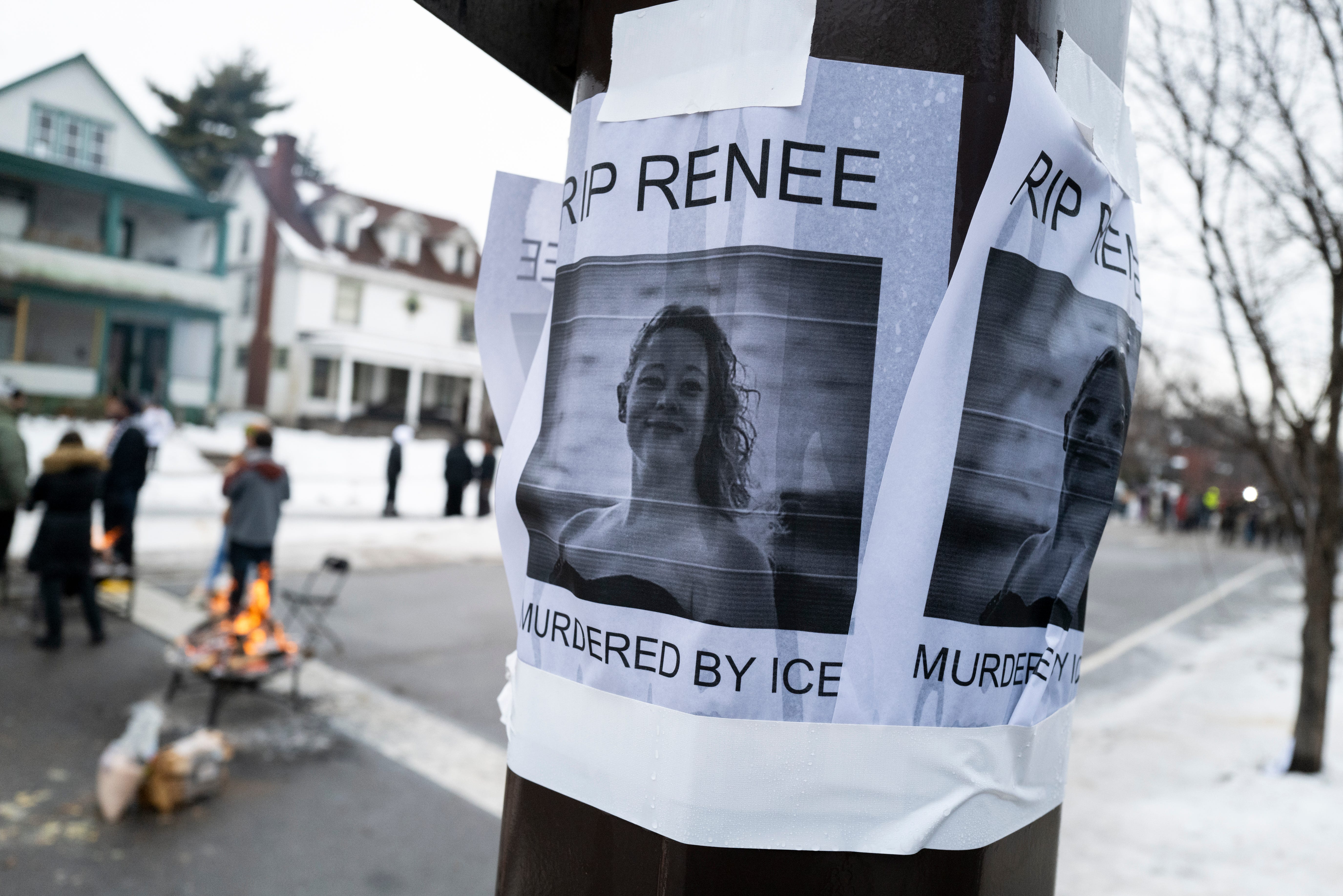
In a sane world, Renee Good would not be dead. There was never any need for this mother of three to lose her life in the service of an imaginary cause. The culture war has skewed perceptions along strictly tribal lines; many have been recklessly encouraged to perceive themselves as heroic combatants in an escalating battle against fascism. Now, tragically, that fantasy has collided with reality.
Good was shot and killed this week by an Immigrations and Customs Enforcement (ICE) agent in Minnesota. The horror of the incident has been compounded by the flippancy of many of those who have politicised it one way or the other. Cruel memes have been shared by some of the more toxic elements on the right, gloating about this poor woman’s death. It’s reminiscent of the online celebrations by thousands of left-wing ideologues following the murder of Charlie Kirk. While it is true that Good had put herself in a dangerous situation, that does not mean she is undeserving of basic human sympathy.
One is left with a sense of hopelessness after such events. Activist groups have been urging supporters to obstruct officers with guns as though the real world were a movie set. Is it likely that they might now reflect upon the consequences, or will they double down? A post by Occupy Wall Street sums up the determination of campaigners to put their allies at risk. ‘If you see ICE’, it says, ‘cause a scene, make a distraction, block their vehicles, stop them from entering buildings, yell at & shame them’.
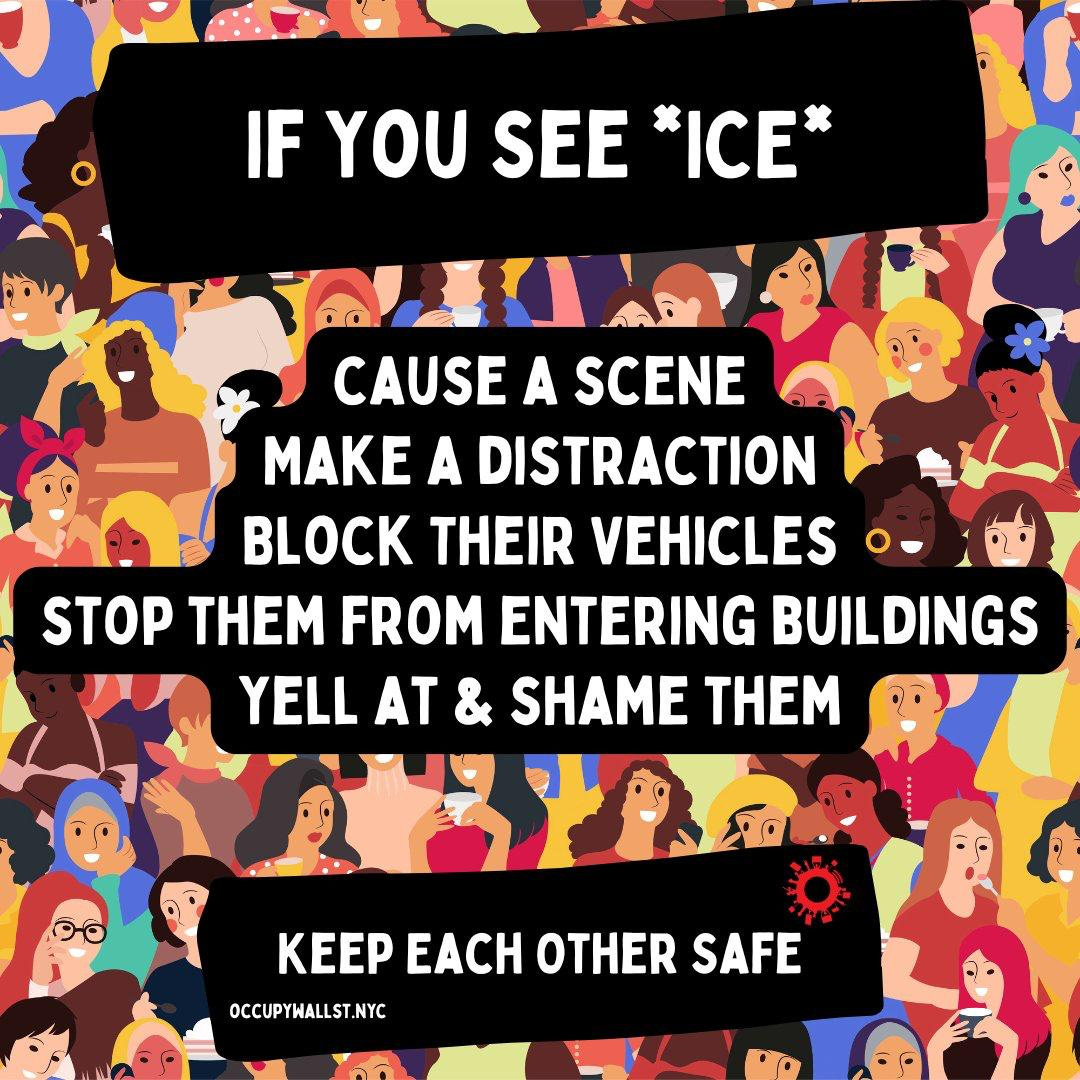
This is, needless to say, terrible advice. There are legitimate debates to be had about the immigration policies that the American public voted for and Trump is now enacting. The place for such debates is in the town hall and at the ballot box, not when armed officers in high-pressure situations are undertaking their duties. The infantile insistence that ICE is simply the military wing of the Fourth Reich, and the conintual misuse of the term ‘fascist’ by polticians who ought to know better, is only exacerbating the problem.
And yet this lack of critical thinking is the chief consequence of the culture war. Consider the instantaneous verdicts that were reached as the footage of the tragedy was shared online. It is notable that in virtually all cases, how people interpret the clips seems to align with their position on the political spectrum. Many on the right are claiming that the footage is incontrovertible proof that Renee Good was trying to run the officer down with her car. Many on the left are claiming that it proves the precise opposite, and that the officer was not acting in self-defence but was guilty of murder.
The sheer certainty has been chilling, but so too has the confirmation bias on display. There can be no clearer example of how the political divide of our times has left groups of people occupying entirely distinct realms of existence. If individuals on different sides are sharing identical footage to prove their diametrically opposed points of view, we can be sure that facts are now considered subordinate to the upholding of political priorities.
A little humility would be helpful. What strikes me most about the footage is not what it shows, but what it does not. We do not know what happened before the cameras were turned on. We do not know the full circumstances that brought Good and her wife to the road on that day. We do not know what was said before ICE agents approached and ordered her to step out of the car. We do not know what was going through Good’s mind when the vehicle accelerated, or what was going through the mind of the agent who fired the fatal shots.
These are precisely the kinds of questions that require time, evidence, testimony and careful scrutiny. This is why we have courts and proper investigations. Watching a video online does not qualify anyone to reach a definitive judgment with absolute confidence. One of the most corrosive aspects of this new tribalism is not merely that people are certain they are right, but that they are equally certain that anyone who disagrees must be evil or dishonest. Dissent is no longer a difference of interpretation, but rather evidence of moral depravity. This is true on both the left and the right.
Under such circumstances, it is difficult to see how we can escape the infantilism of contemporary politics. When human lives are automatically devalued if they express alternative opinions, the possibility of debate is stymied. Many have begun to see political adversaries as less than human; not people to be argued with, but avatars of an imagined malevolence that deserve to be eliminated.
The frenzy of confirmation bias that has followed the death of Renee Good should remind us that we are all prone to interpreting the world as we would like it to be. The phrase ‘I don’t know’ is so rarely used, but oftentimes it is needful. But more than anything, we should cultivate a more rational political sphere in which nuanced subjects are not reduced to a matter of Good Vs Evil. Until we can achieve this, the conditions are sadly ripe for future loss of life.
Thank goodness there are some rational people left. Well done Andrew.
Wise words, Andrew Doyle. What’s striking is how both sides of the culture war are totally convinced they’re in the right. Moral certainty is a very intoxicating drug and potentially deadly, as we know from history. I’m not sure how this ends, but the hangover is going to be brutal.